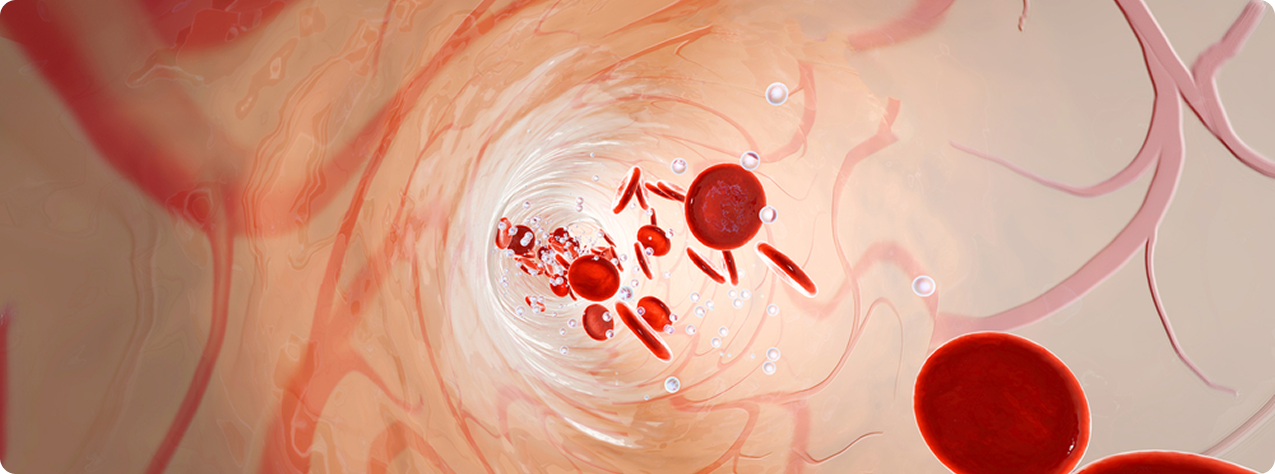
Prediabetic condition
In prediabetes, blood sugar levels are higher than normal, but not high enough to be diagnosed as type 2 diabetes. Without intervention, prediabetes will likely progress to diabetes in about 10 years or less If you have prediabetes, the long-term damage associated with diabetes, especially to the cardiovascular system, may already have begun.
However, regardless of the prediabetic condition, you have a chance to correct this process Prediabetes will not necessarily progress to diabetes if treated properly
By changing the lifestyle: eating healthy food, exercising daily, losing weight, blood sugar levels can be normalized.
The exact cause of prediabetes is unknown, although family history and genetics play a significant role Scientists have discovered certain genes associated with insulin resistance Excess fat, especially around the belly, and inactivity are also important factors
It is known that during the prediabetic state, the human body cannot consume sugar - glucose normally. Sugar builds up in the blood instead of glucose entering the cells and being used for energy
Most of the glucose comes from the food we eat, especially from foods rich in carbohydrates Any food that contains carbohydrates changes blood sugar levels, not just sugary foods
During digestion, sugar passes through the blood and with the help of insulin enters the cells of the body, where it is used as a source of energy.
Insulin is a hormone that is released from the pancreas, a gland located behind the stomach. When you eat, the pancreas produces insulin in the blood Insulin circulates and clears the way for glucose to freely enter the cells.
Insulin reduces the amount of glucose in the blood When this happens, insulin production in the pancreas will also decrease
During the prediabetic state, this process is disturbed Instead of entering the cells, glucose accumulates in the blood This is due to insufficient insulin secretion in the pancreas or resistance to the effects of insulin in the cells, possibly by both mechanisms.
Prediabetes often has no signs or symptoms
One possible sign is darkening of the skin on certain parts of the body This condition is called acanthosis nigricans Acanthosis nigricans is often found in these parts of the body: neck, armpits, knees, hands
Classic signs of prediabetes or type 2 diabetes are:
- Increased thirst
- Frequent urination
- Fatigue
- Blurred vision
When to consult
Ask your doctor about a blood sugar screening test if you have risk factors for prediabetes, such as:
- Overweight, a body mass index of 25 or higher
- You are physically inactive
- You are 45 years of age or older