Malaria
Malaria is a disease caused by a parasite The disease is transmitted by the bite of infected mosquitoes Malaria causes repeated attacks of chills and fever Malaria kills about 1 million people worldwide each year World health authorities are trying to reduce malaria cases by distributing bed nets to prevent the spread of infection while people sleep Scientists are trying to create a vaccine to prevent malaria Most of the parasites that cause malaria today have developed immunity to the main drugs used to treat the disease
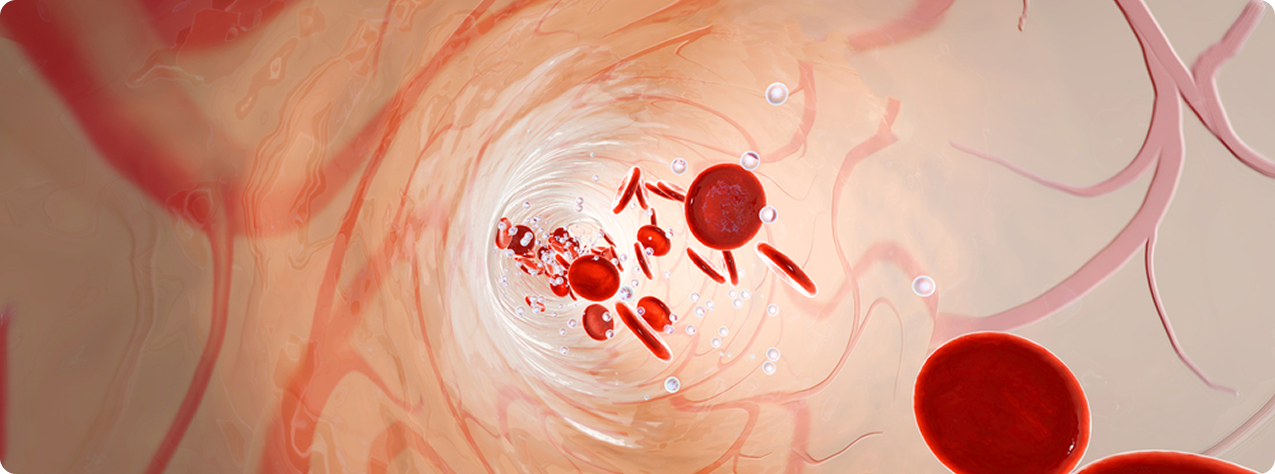
Malaria is caused by a microscopic parasite that is transmitted by the bite of an infected mosquito. A mosquito becomes infected when it feeds on the blood of a person with malaria If you are bitten by such a mosquito, it can drop malaria-causing parasites Parasites travel to the liver, where they reside in a state of stasis, sometimes even for a year After maturation, the parasites leave the liver and enter the red blood cells Malaria symptoms develop as a result of this process If an uninfected mosquito bites you at this stage of the cycle, it will become infected with your parasites and spread them to the next person.
Malaria infection is usually characterized by repeated attacks accompanied by the following symptoms:
- Moderate to severe chills that cause shivering
- High fever
- Profuse sweating with a drop in body temperature
- Other symptoms:
- Headache
However, some forms of malaria parasites remain dormant in the human body for months and sometimes years The parasites that cause malaria sometimes live in a dormant phase in the human body for months If you experience severe symptoms, seek medical attention