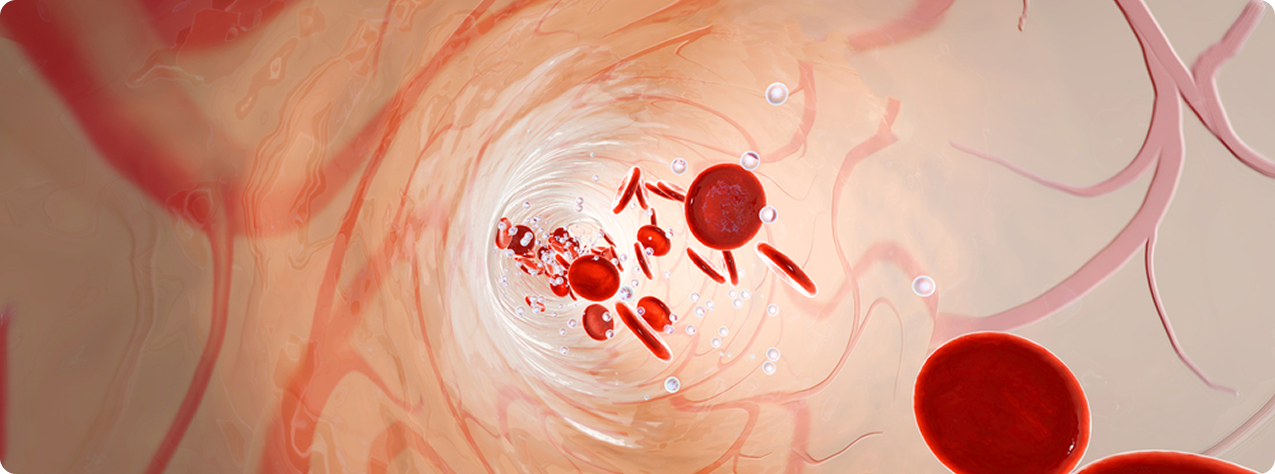
Leukemia
Leukemia is cancer of the blood-forming organs, such as the bone marrow and lymphatic system
There are many types of leukemia Some forms are common in children, while other forms are more common in adults
Leukemia is mainly formed from white blood cells White blood cells fight infection Normally, they gradually grow and divide, according to the needs of the body In people with leukemia, the bone marrow produces abnormal blood cells that can no longer function.
Leukemia treatment is complex, depending on the type of leukemia and other factors There are certain treatment strategies that often help the patient
Scientists do not know exactly what causes leukemia A combination of genetic and environmental factors is likely involved
How Leukemia Develops Generally, leukemia develops when mutations in the DNA molecule appear in blood cells. DNA normally gives the cell instructions for growth and development A change in this molecule causes cellular changes that are not yet well understood
Certain pathologies cause uncontrolled cell growth and rapid reproduction when normally the cell should die. Over time, the abnormal cells accumulate and crowd out the healthy cells in the bone marrow, causing the signs and symptoms of leukemia to develop.
How Leukemia is Classified Doctors divide leukemia according to the rate of progression and the type of cell involved.
The first method of classification is based on the speed of development:
- Acute leukemia In acute leukemia, the abnormal cells are immature blood cells - blasts They cannot perform their normal function, they soon divide and the disease rapidly worsens Acute leukemia requires aggressive, timely treatment
- Chronic leukemia There are many types of chronic leukemia In some cases, a large number of cells are produced, and in some types, a small number Chronic leukemia involves more mature blood cells These cells divide and accumulate more slowly and can perform certain functions for some time Therefore, chronic leukemia initially does not show symptoms and may go undiagnosed for years
The second method of classification refers to the type of cells involved:
- lymphocytic leukemia This type of leukemia involves the lymphoid cells-lymphocytes that make up the lymph tissue Lymphatic tissue is a constituent structure of the immune system
- Myelogenous leukemia This type of leukemia affects myeloid cells Myeloid cells make red blood cells, white blood cells, and platelets
Forms of leukemia The main forms of leukemia are:
- Acute lymphocytic leukemia This form is common in children, but sometimes occurs in adults
- Acute myelogenous leukemia This form is quite common It occurs in both children and adults Acute myelogenous leukemia is the most common form of acute leukemia in adults
- Chronic lymphocytic leukemia Chronic lymphocytic leukemia is the most common chronic leukemia in adults Symptoms may not appear for years
- Chronic myelogenous leukemia This type of leukemia mostly affects adults The patient has few symptoms for months or years until the worsening phase of leukemia begins
- Other types Other, rarer types include squamous cell leukemia, myelodysplastic syndromes, and myeloproliferative syndromes.
The symptoms of leukemia are varied and vary between forms of leukemia Common signs and symptoms include:
- Fever, chills
- Frequent fatigue, weakness
- Frequent, severe infections
- Unexplained weight loss
- Swollen lymph nodes, enlarged liver or spleen
- Easy bleeding and
Symptoms of leukemia are general and non-specific Early symptoms sometimes stand out to patients because they resemble the symptoms of the flu or some other simple illness
Rarely, leukemia is detected in a general blood test for another condition