Fibromuscular dysplasia
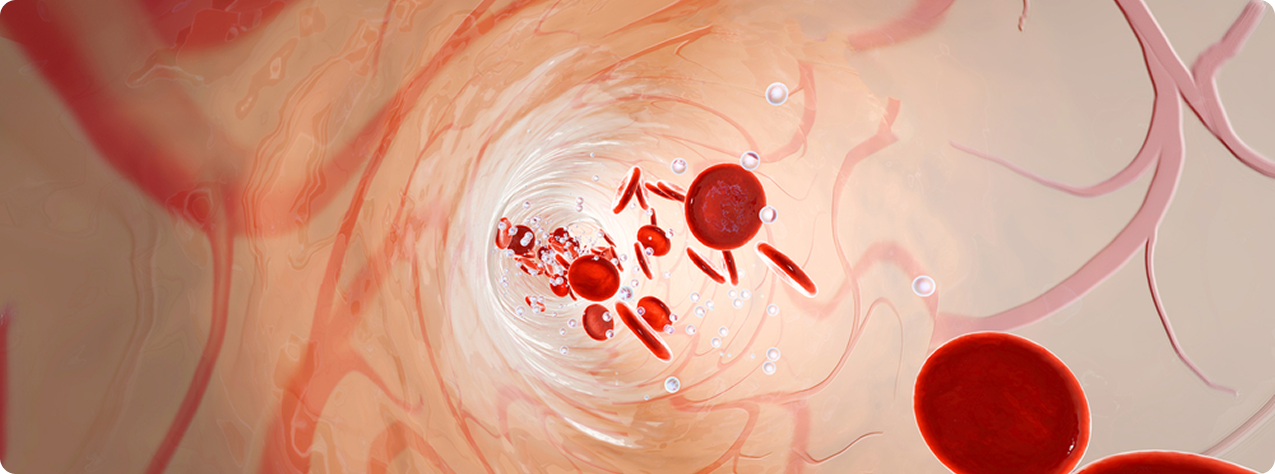
Fibromuscular dysplasia is a condition that causes narrowing (stenosis) and enlargement (aneurysm) of medium-diameter arteries. The narrowing and dilation segments are close together and may cause the artery to narrow to the point where blood supply to the organs is significantly restricted.
Fibromuscular dysplasia causes certain complications, such as high blood pressure or dissection of arteries.
Fibromuscular dysplasia most often involves the renal arteries Brain arteries, blood vessels of abdomen and limbs may also be damaged There is no cure, but treatment is effective
The cause of fibromuscular dysplasia is unknown, but several factors are likely to be important:
- Genetics Genetics may play a role in the development of fibromuscular dysplasia However, if someone in the family has fibromuscular dysplasia, sometimes another member of the same family has a milder disease or other artery damage. Additionally, not all patients with fibromuscular dysplasia have a family history of the disease
- Hormones Women are more likely to have fibromuscular dysplasia than men Because of this, the role of hormones has been linked to disease risk Despite this, fibromuscular dysplasia is not related to the number of pregnancies and the use of contraceptives
- Pathological shaped arteries Fibromuscular dysplasia may be caused by the improper development of the blood vessels feeding the blood vessel, which leads to a lack of oxygen and pathological changes in the arterial wall. Probable causes are tobacco or medication use When an artery develops incorrectly, cellular masses accumulate in its cavity and blood flow decreases
Most people with fibromuscular dysplasia have no symptoms Despite this, it is possible to develop the disease, the complications of which depend on the location of the involved arteries
Signs and symptoms in the kidney
If the renal arteries are damaged, you may experience:
- High blood pressure
- Kidney tissue damage (ischemic atrophy)
- Chronic kidney failure
When to see a doctor If you have fibromuscular dysplasia and develop a sudden change in vision, speech, or weakness, be sure to call 911
If you have any symptoms, consult your doctor Fibromuscular dysplasia can be hereditary, so tell your doctor about your family history, even if you don't have signs or symptoms. Currently, there is no genetic testing method to diagnose fibromuscular dysplasia