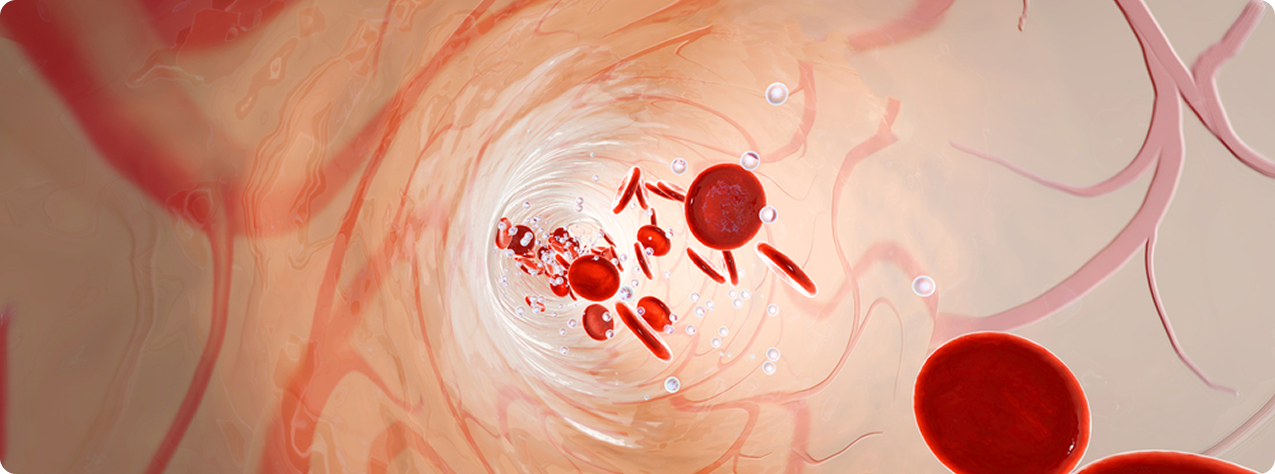
Amniotic fluid embolism
Amniotic fluid embolism is a rare but serious condition Amniotic fluid is the fluid that surrounds the fetus in the womb during pregnancy Amniotic fluid embolism is a condition in which fetal amniotic fluid or material such as fetal hair enters the mother's bloodstream.
Amniotic fluid embolism most often develops during or very soon after delivery.
Diagnosis of amniotic fluid embolism is very difficult If your doctor diagnoses you with this condition, you will need immediate treatment to prevent potentially life-threatening complications.
The causes of amniotic fluid embolism are not well understood - Amniotic fluid embolism occurs when this fluid or some material from the fetus enters the mother's bloodstream through a break in the fetal membrane. Amniotic fluid contains substances that cause inflammatory reactions and clotting in the mother's lungs and blood vessels.
- Although amniotic fluid embolism is rare - it is highly likely that, in some cases, amniotic fluid passes into the mother's circulation during labor, but does not cause complications. It is not known why this process causes amniotic fluid embolism in some cases
- It is necessary to continue research on amniotic fluid embolism
Amniotic fluid embolism develops quickly and suddenly Signs and symptoms of this disease
- Sudden respiratory failure
- Excess fluid in the lungs (edema of the lungs)
- Sudden drop in blood pressure
- Blood