Acute respiratory distress syndrome
Acute respiratory distress syndrome develops when fluid accumulates in the small, elastic air-filled sacs (alveoli) in the lungs. Accumulation of fluid means that there is less space for air, therefore oxygen delivery to the blood decreases Organs cannot receive enough oxygen for normal functioning
Acute respiratory distress syndrome occurs in patients who are already ill due to any disease or have significant injuries. Severe shortness of breath is the main symptom of the syndrome and appears within hours or days after complications or injury
Acute respiratory distress syndrome is a serious condition Many patients die The risk of a fatal outcome increases with age and the severity of the condition If the patient survives the syndrome, he may recover completely or remain with permanent lung damage
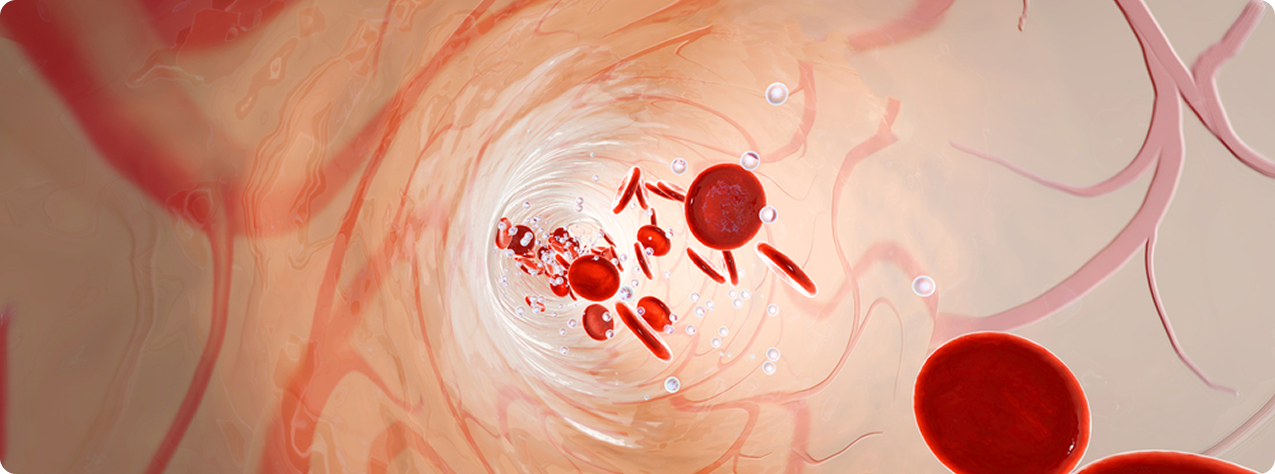
The mechanical cause of the syndrome is the leakage of fluid from the small capillaries of the lung into the alveoli, where the blood is normally enriched with oxygen. The blood will normally be held in the blood vessels by means of a protective membrane Acute disease or injury causes inflammation, disrupts the integrity of the membrane, and results in leakage The most common cause of the syndrome is sepsis – severe, widespread blood infection
Inhalation of harmful substances Inhalation of exhaust in high concentrations or contact with chemical residues can result in the syndrome Also, the syndrome is sometimes caused by aspiration of the creamy mass Severe pneumonia Some cases of pneumonia involve all five lobes of the lung Injury to the head, chest or other part of the body Accidents such as car accidents and falls from heights damage the lungs and the part of the brain responsible for breathing.
Symptoms of acute respiratory distress syndrome vary in intensity, depending on the underlying cause, as well as the severity of the underlying cardiopulmonary pathology. These are:
- Severe shortness of breath
- Forced and unusually rapid breathing
- Low blood pressure
- Confusion and severe fatigue
When to consult a doctor The syndrome usually follows